Assembly, maintenance and servicing of hydraulic cylinders — modular design and KIT
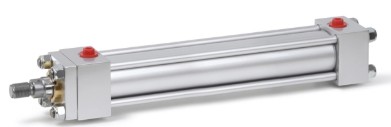
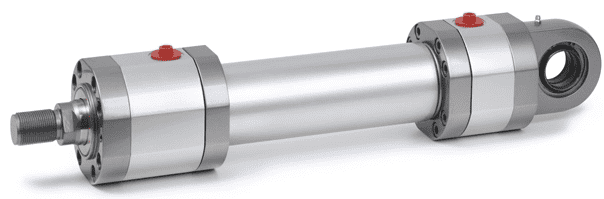
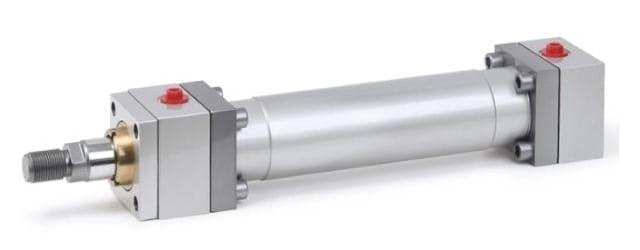
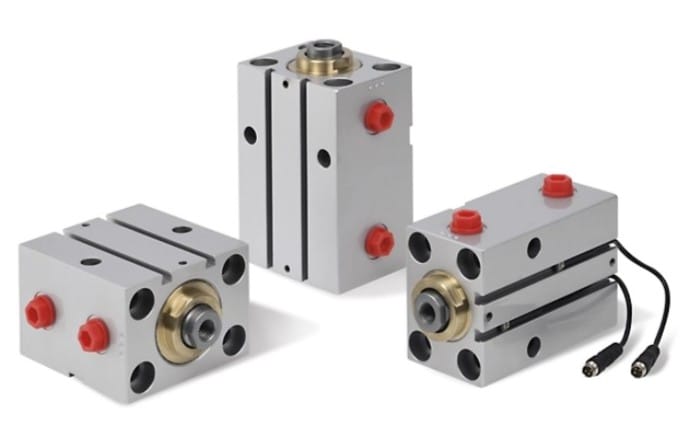
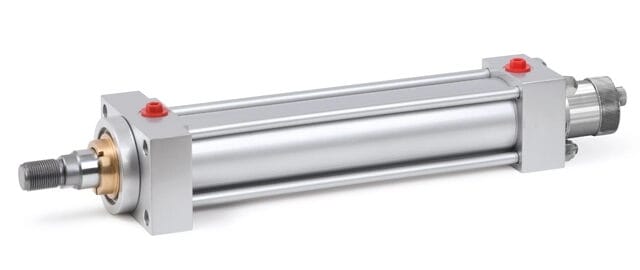
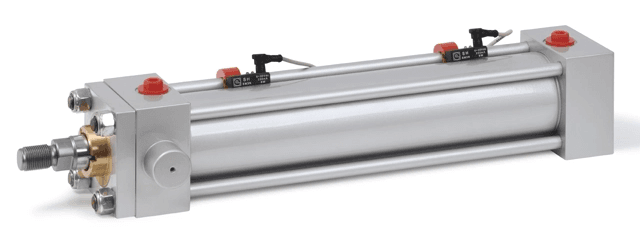
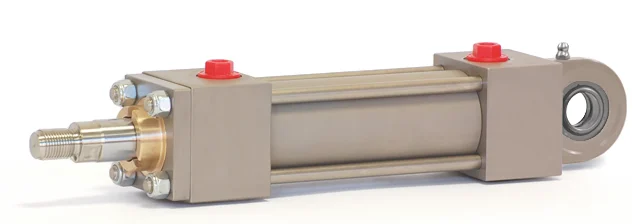
A practical guide to the assembly, maintenance and servicing of modular Conforti hydraulic cylinders to ISO 6020/2 and ISO 6022: the golden rules of installation (alignment, end-of-stroke impacts, piston rod protection, bleeding, pipework cleanliness), how to use cylinders for the longest possible service life and how to service them with KIT components (heads, pistons, bushings, tie-rods, cushioning, complete set of seals) — assembly without special tools. Conforti supplies the tube and piston rod cut to the required stroke. hydraulika.store is the authorised distributor of Conforti Oleodinamica for the Czech Republic/Slovakia, with delivery across the EU.
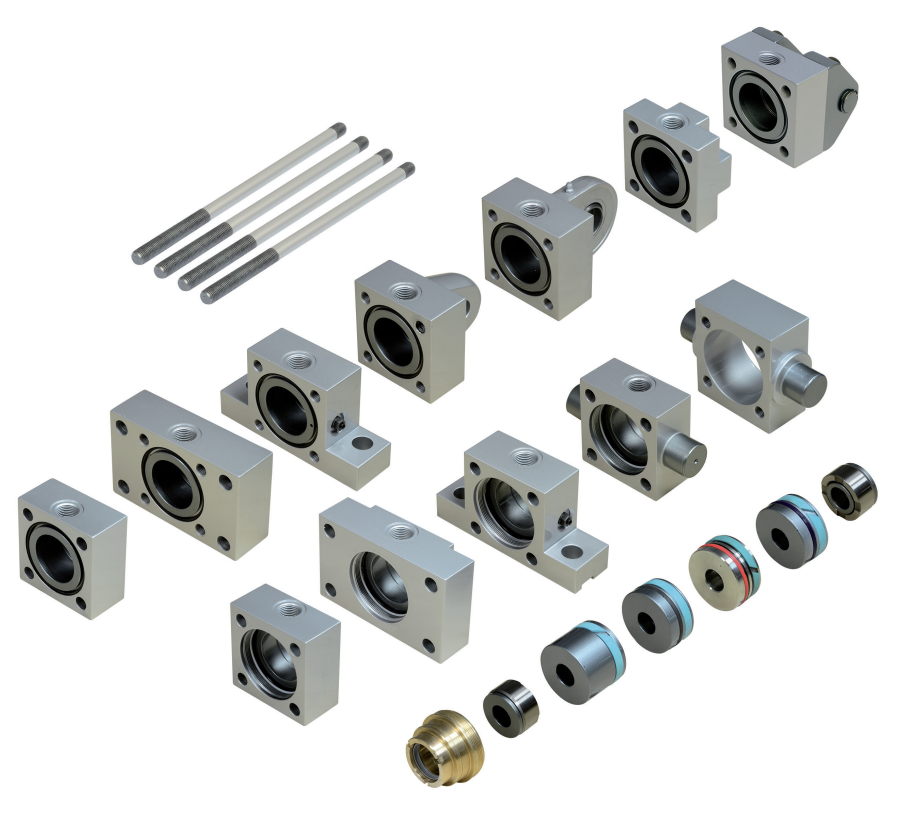

Assembling the kit — without special tools
The catalogue contains a clear illustrated assembly procedure for both the tie-rod and counter-flange versions (ISO 6020/2) and for the heavy-duty series (ISO 6022). Follow the individual steps in the images:
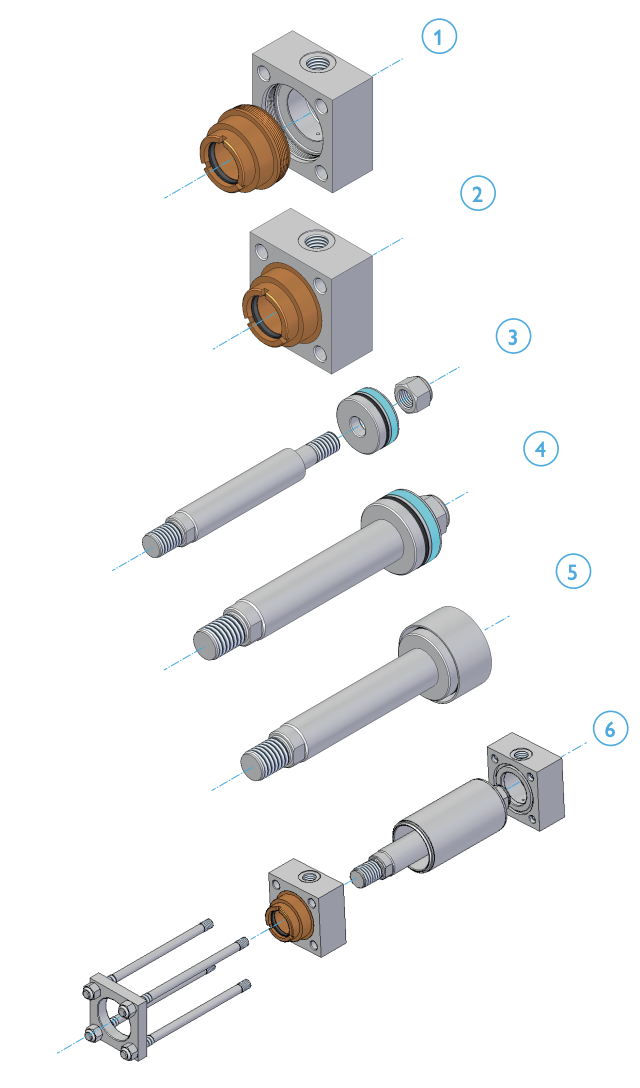
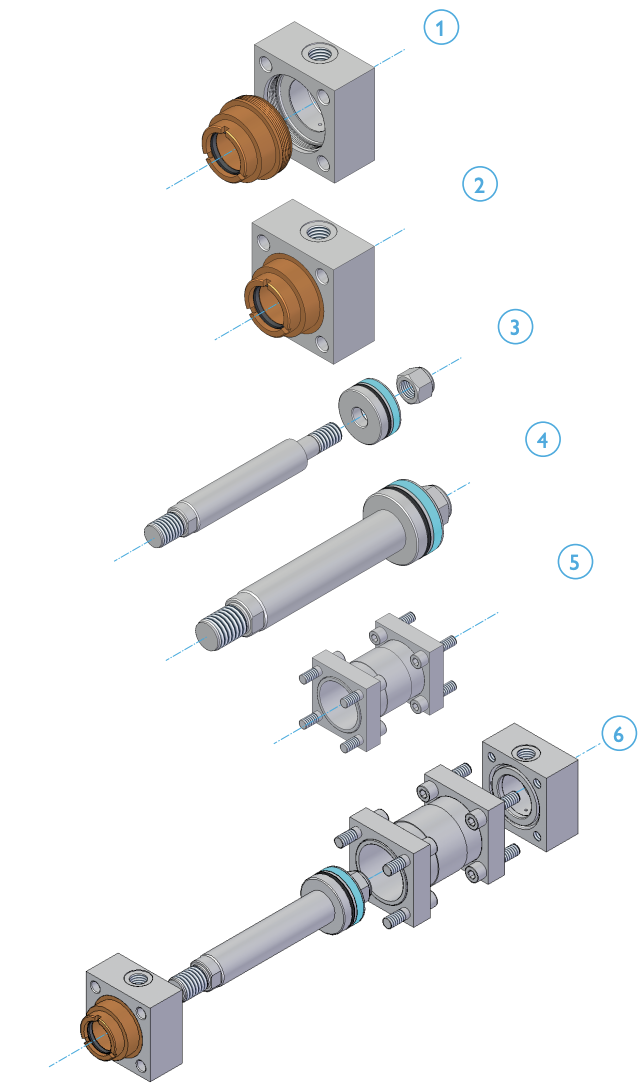
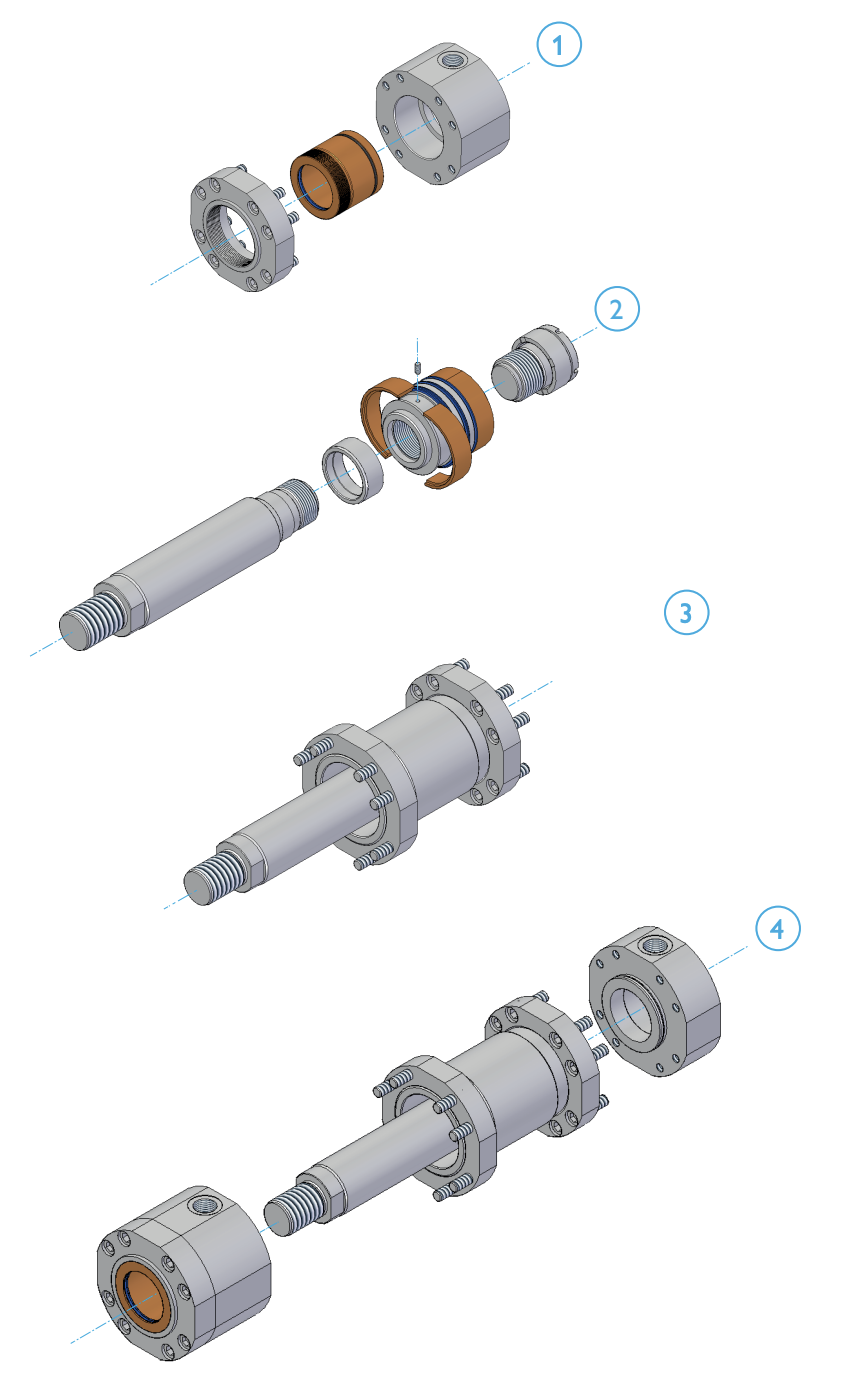
A single KIT covers any stroke — we supply the tube and piston rod cut to size. The result: minimal stock and the fastest response when repairing.
Golden rules of assembly
Even a cylinder made from first-class materials, tested to ISO 10100, with a chromed piston rod and quality seals can fail within a few weeks — not because of a defect, but because of an assembly error. A significant proportion of premature failures is down to the installation. Every technician should observe these five rules:
- Alignment of the cylinder and the load — the most important and most frequently overlooked rule. Misalignment subjects the piston rod to radial forces (it should work only axially) → accelerated wear of the bronze bushing and seals, and bending moments on long strokes. Check alignment during assembly, after the first hours of operation and periodically (it is altered by thermal deformation and settling of the supports). Choose mountings with more degrees of freedom; where side load is unavoidable, choose the DP series to ISO 6022 with a double bronze guide and an extended bushing.
- No impacts in the end-of-stroke positions — the heads are not built to take a piston impact; internal pressure peaks then far exceed the rated pressure. Always use external mechanical stops. Adjustable integrated cushioning (throttling the oil with a needle valve) slows the movement but does not replace a stop.
- Protecting the piston rod during assembly — the chrome ensures sealing and sliding; a deep scratch becomes a permanent path for oil leakage that no seal can compensate for. Do not rest tools on the piston rod, do not use the cylinder as a support, and leave the port caps in place until the pipework is connected.
- Bleeding before commissioning — air in the circuit causes jerky movement, noise and instability. Carry out low-pressure bleeding cycles, position the bleed port at the highest point for horizontal mounting, and run the first strokes full and slow.
- Cleanliness and torque when connecting the pipework — oil contamination is the main cause of premature wear; clean every pipe and fitting before connection. Observe the tightening torque per the fitting manufacturer (too little → external leakage; too much → deformation of the thread and sealing face).
Assembly quality is part of the cylinder's quality. A cylinder is a precise system — from the honed tube to the polyurethane or Viton® seals. Observing the rules during assembly ensures the cylinder works within its design parameters day after day.
Service life: how to use cylinders for as long as possible
Conforti cylinders are made from quality materials according to design rules proven over the years. Under ideal conditions they handle millions of cycles — all it takes is regular basic maintenance and replacement of worn parts (seals, bushings), which is exactly what the KIT components are for. Real-world operation, however, shortens service life; the most common causes, which are best avoided:
- Radial forces — from external forces or from misalignment when mounting to the machine.
- Impacts in the end-of-stroke positions and external impulse forces.
- Pressure peaks and water hammer in the circuit.
- Contaminated hydraulic fluid.
- Overheating — from the environment, or from frequent short-stroke cycles that do not allow sufficient oil exchange.
The modular design pays off here: worn parts are replaced in service from the KIT set without manufacturing a whole cylinder, so you return the cylinder to condition quickly and cheaply. Our technical department can advise on prevention and choosing a suitable version.
Code Wizard — managing and ordering kits
The Code Wizard portal is used to select, manage and order kits according to the cylinder specification — the component order codes (heads DT/KT 02…, bushings DT/KT 01…, pistons DT/KT/GT 03…) are unambiguous.
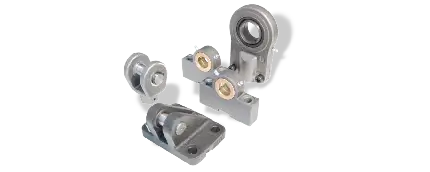
Individual parts and accessories — from piston rods and complete seal sets to mountings (rod eyes, spherical eyes, clevises, brackets, feet, trunnions) — can be found in the Spare parts and accessories for hydraulic cylinders section.
Frequently asked questions
Tap a question — the answer appears below. Verified against the KIT catalogue from Conforti Oleodinamica.
Verified against
- Catalogo_KIT_EN (Conforti Oleodinamica) — kit components, mountings, seals, surfaces, materials, assembly, Code Wizard, replacement seal sets.
- Conforti Oleodinamica — PLUS: ISO 10100 testing, fast production, the Code Wizard portal.
- Cylinder series catalogues and technical library: TechHub.
Viton® is a trademark of The Chemours Company. Seal-Lock® is a trademark of its respective owner. The names are given to identify the material/component per the catalogue of the manufacturer Conforti Oleodinamica.